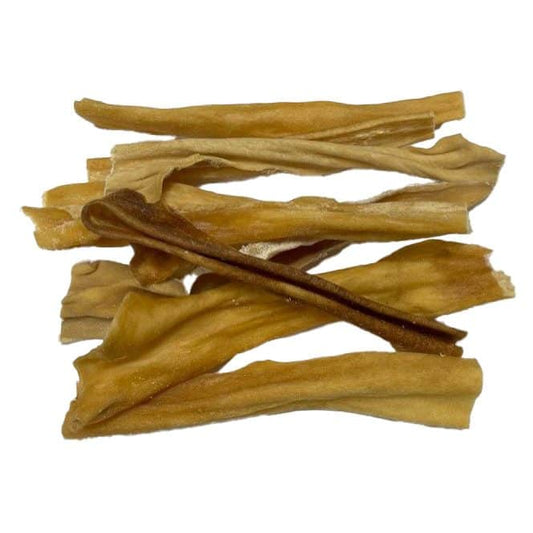
The Tastiest Hypoallergenic Dog Snacks
A scratching four-legged friend doesn’t necessarily indicate a food allergy or intolerance. But if the scratching has gotten out of hand, have your dog tested for (possible) allergies and, if positive, start using hypoallergenic food and
hypoallergenic dog snacks.
Schedule a Visit to the Veterinarian
First, visit the veterinarian before taking any action. Your vet will perform an allergy test, which will reveal whether your furry friend is allergic to certain (animal) proteins. You will also learn which (animal) proteins cause an allergic reaction. This is very helpful when searching for hypoallergenic food and snacks.
The Meaning of ‘Hypoallergenic’
An interesting term, hypoallergenic. But what does it actually mean?
The word ‘hypoallergenic’ comes from the terms ‘hypo’ and ‘allergenic.’ ‘Hypo’ literally means ‘less than normal.’ An allergen is a substance that can trigger an allergic reaction not only in humans but also in animals.
The combination of these two words results in the new term ‘hypoallergenic,’ which literally means: less chance of an allergic reaction.
Different Types of Hypoallergenic Dog Snacks
There are three ways hypoallergenic snacks are made. Below we distinguish between them:
Hypoallergenic Dog Snacks with Unique Protein Sources
By unique protein sources, we mean types of meat or fish that are rarely found in dog food and/or snacks. Think of wild boar, horse, deer, duck, camel, goat, catfish, cod, and kangaroo.
Snacks Made with a Single Animal Protein Source
Beef, chicken, and pork are often the culprits. That’s why you will never find these meats in hypoallergenic food and snacks.
For an even lower chance of an allergic reaction, there are hypoallergenic dog snacks made from only one (animal) protein source. These are ideal for use during an elimination diet.
Snacks Containing Hydrolyzed Proteins
Hydrolyzed sounds complicated, but it’s quite the opposite. The only thing you need to know is that hydrolyzed proteins are cut into small pieces. This way, your loyal dog’s body won’t recognize the pieces as a protein. The result? No allergic reaction.
These Signs Indicate a Food Allergy
To spare your furry foodie allergic complaints, you should act quickly if you notice the following symptoms:
Skin and Coat Problems
When there is a food allergy or intolerance, it’s likely that an allergic reaction occurs. At that moment, your dog’s immune system activates. It tries to fight off the substance causing the allergy. As a result, histamine is released, causing unpleasant symptoms for your furry friend. Think of itching in the armpits, groin, and paws. Naturally, your dog tries to relieve the pain by scratching or biting. However, this only worsens the symptoms; skin infections, hair loss, and rashes develop.
Stomach and Intestinal Problems
Frequent vomiting and loose stools are signs that may indicate a food allergy or intolerance.
Or maybe you’re often treated to smelly dog farts? That can also be a sign of a food allergy or intolerance.
Chronic Ear Infection
Does your dog not like you touching their ears? Or does your furry friend frequently scratch their ears or shake their head a lot? Then it’s likely your loyal companion is troubled by a (painful) ear infection.
Also, watch out for red spots and/or unpleasant odors; these can also indicate an ear infection. If the ear infection recurs regularly, a food allergy or intolerance may be involved.
Treat Your Furry Friend to the Best Hypoallergenic Dog Snacks
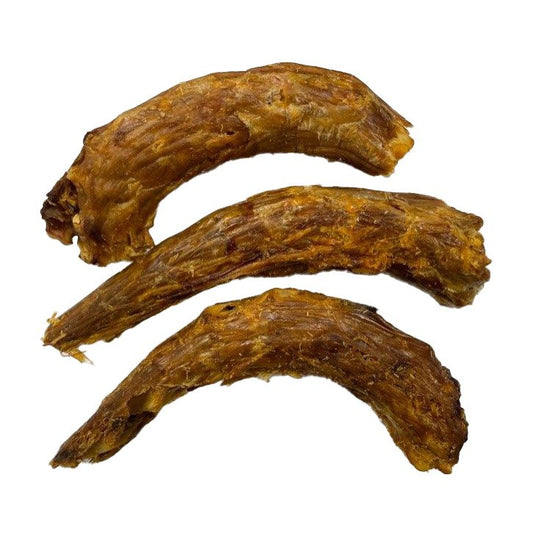
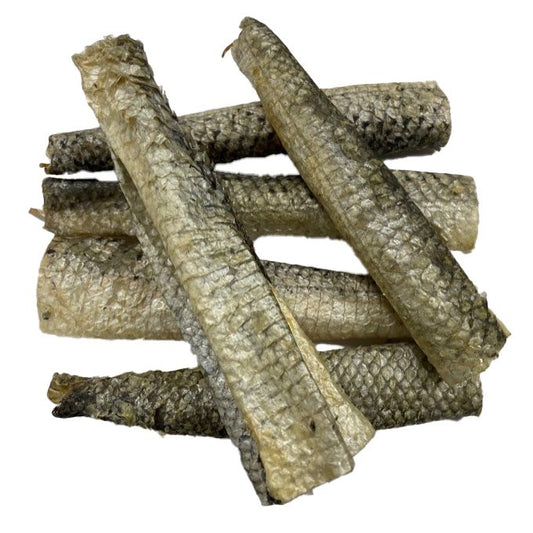
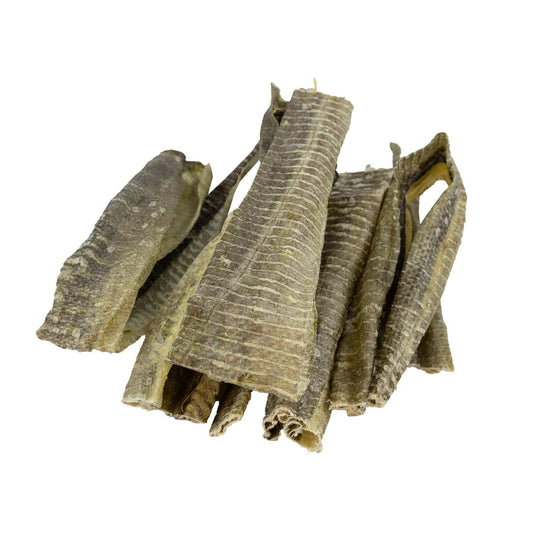
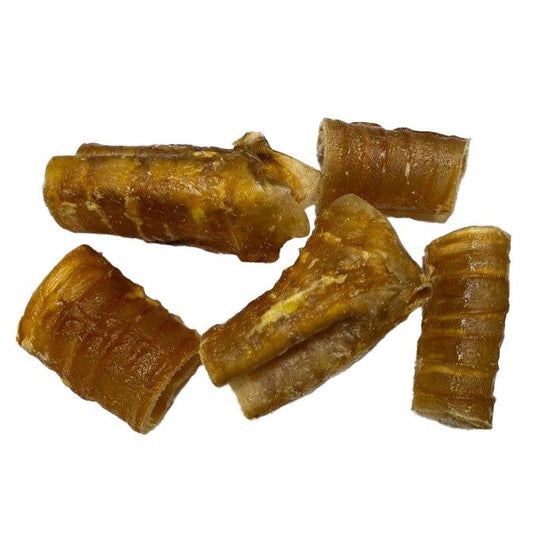
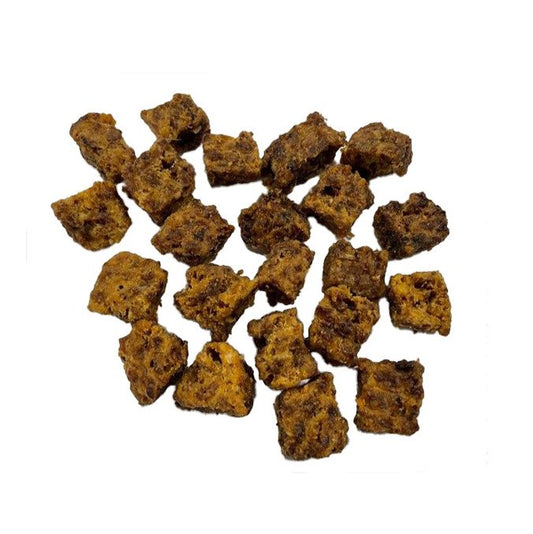
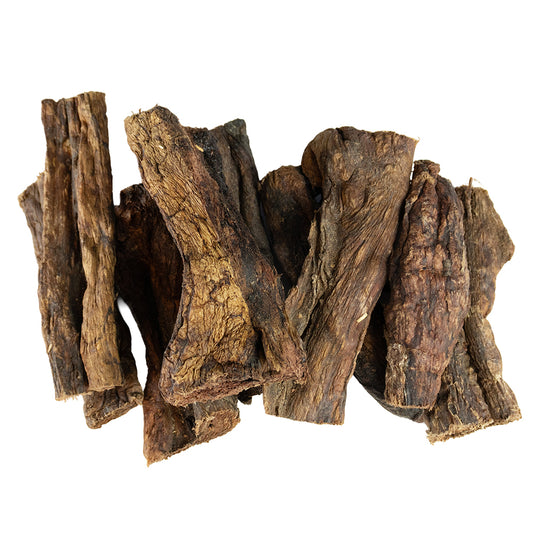
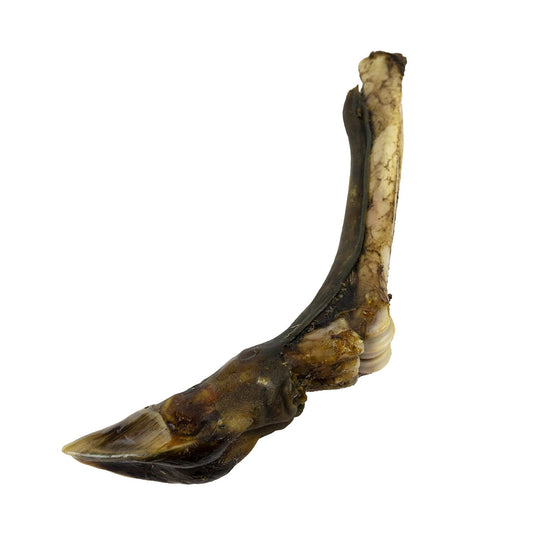
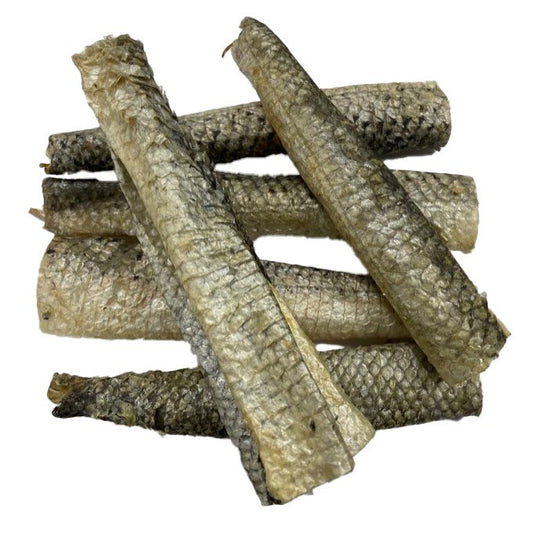
Your allergic friend will be very happy with our hypoallergenic dog snacks. The tastiest snacks will delight your allergic dog: lamb horn,
duck feet, salmon skin,
turkey leg,
rabbit hide with hair, and much more!