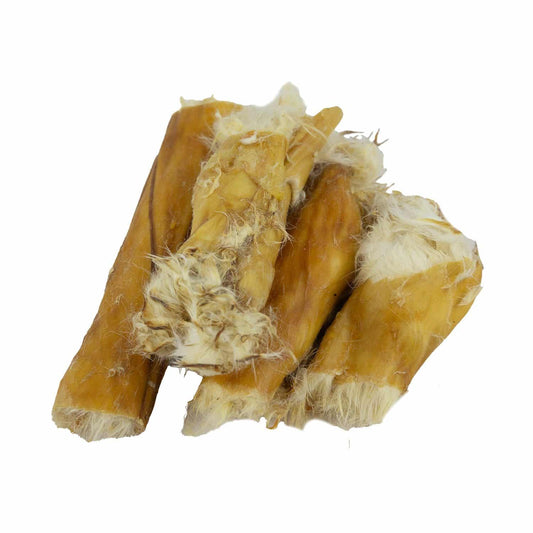
Hypoallergenic Dog Food
If there’s one thing your dog dislikes, it’s itching. Scratching once in a while is no problem, but if you see your furry friend regularly scratching, licking, or biting their coat, there’s a good chance they have an allergy. To rule this out, it’s important to have an allergy test done by the vet.
Getting an Allergy Test
If it turns out your dog does have a food allergy, the test will reveal which (animal) protein source your dog is allergic to. In that case, the vet will recommend hypoallergenic dog food.
What Does Hypoallergenic Dog Food Mean?
Dog food can be hypoallergenic in three ways, which we explain below: Food Based on Hydrolyzed Proteins Often the ingredients list will state that hydrolyzed (animal) proteins are used. In this case, the (animal) proteins are broken down into small pieces, so your dog’s body doesn’t recognize these pieces as the original (animal) protein. For this reason, the (animal) protein cannot trigger an allergy in your dog. Hypoallergenic Dog Food Based on Unique Protein Sources Sounds fancy, but what does it mean exactly? This means the food is made with (animal) protein sources that are rarely or never found in regular dog food and/or snacks. This greatly reduces the chance that your furry friend will have an allergic reaction. Food Made with a Single Animal Protein Source Did you know that dog food made with only one animal protein source is also hypoallergenic? Because there is only one animal protein source, the chance of an allergic reaction is significantly reduced. This type of food is often used in elimination diets. This way, you can specifically look for food that is free from the ingredients your dog is allergic to.
How to Recognize a Food Allergy in Your Dog?
Prevention is better than cure, as they say. Still, a food allergy in your dog is not always preventable. However, you can be alert to signs that point to a food allergy or intolerance. The most common symptoms are: Stomach and Intestinal Issues Do you see your dog vomiting a lot or having frequent loose stools? This could indicate a food allergy. Also watch out if your dog is constantly passing gas; this can also be a sign of a food allergy or intolerance. Skin and Coat Problems Your dog’s immune system tries to fight off the substance causing the allergy. As a result, inflammatory products in the skin, like histamine, run rampant. Histamine causes intense itching in the armpits, groin, and paws. To relieve the itching, your dog will scratch or even bite. If this continues too long, it can lead to rashes, skin infections, or hair loss. Recurring Ear Infections Does your dog scratch their ears a lot or shake their head frequently? There’s a good chance your loyal companion has a food allergy. Your furry friend may also yelp when you touch their ears. Be alert for redness or unpleasant odors; these can also indicate a food allergy or intolerance.
Which Dogs Are More Likely to Have a Food Allergy?
In principle, any dog can develop a food allergy or intolerance. Food allergies often appear at a young age, but adult dogs can also develop a food allergy later in life. So be alert to signs and—if an allergy is confirmed—feed hypoallergenic dog food.
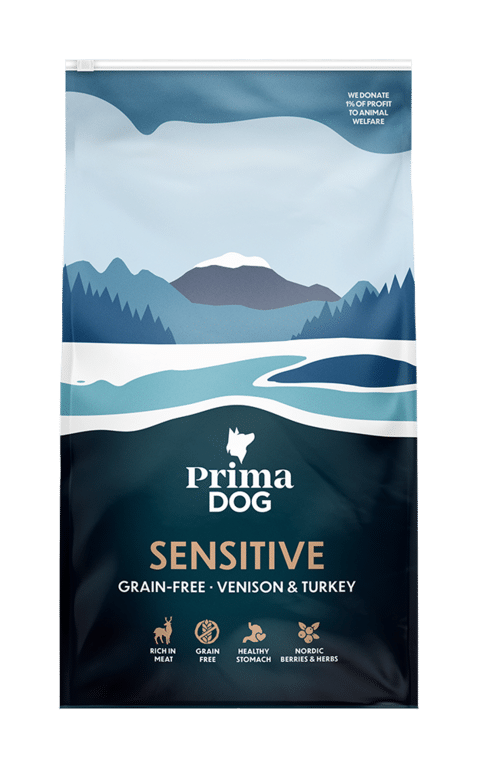
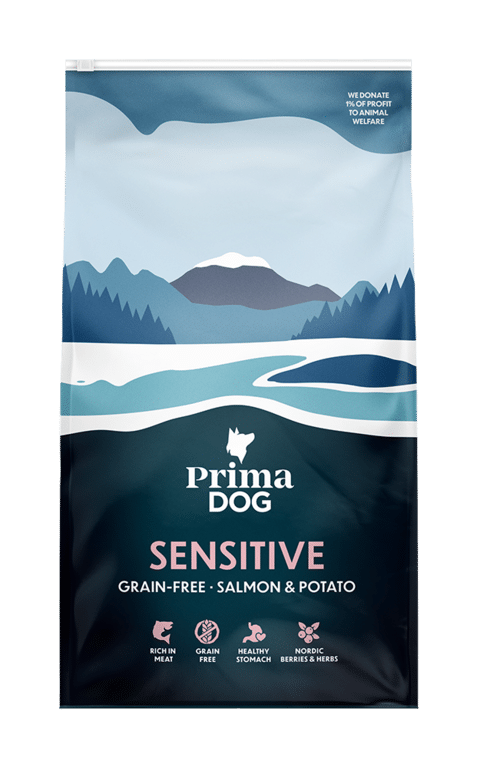
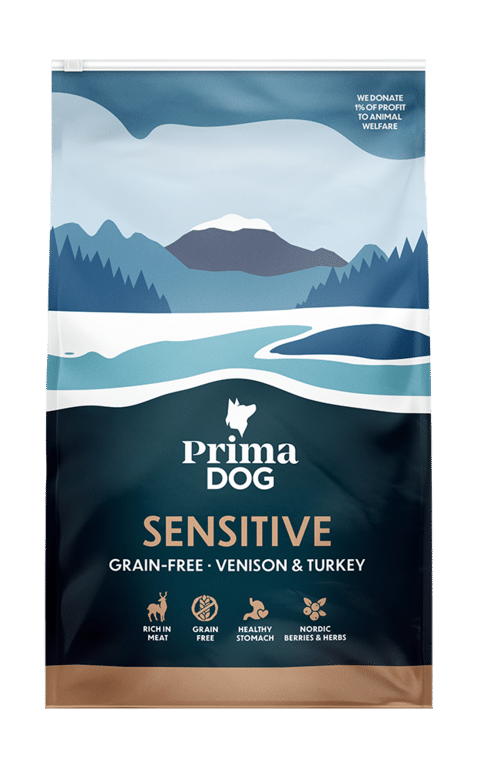
Hypoallergenic Dog Food from Prima Diervoeding
In the diverse range of Prima Diervoeding, we also offer hypoallergenic dog food. These consist of one or two unique animal protein sources, making them very suitable for your sensitive or allergic dog!